Fonterra ‘tasting’ serves a side of coal to passers-by

5 Mar

“Would you like to taste some of Fonterra’s fine products? Here you are – it comes with coal!”

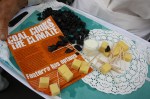
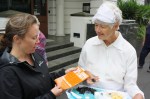
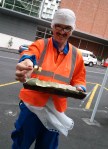
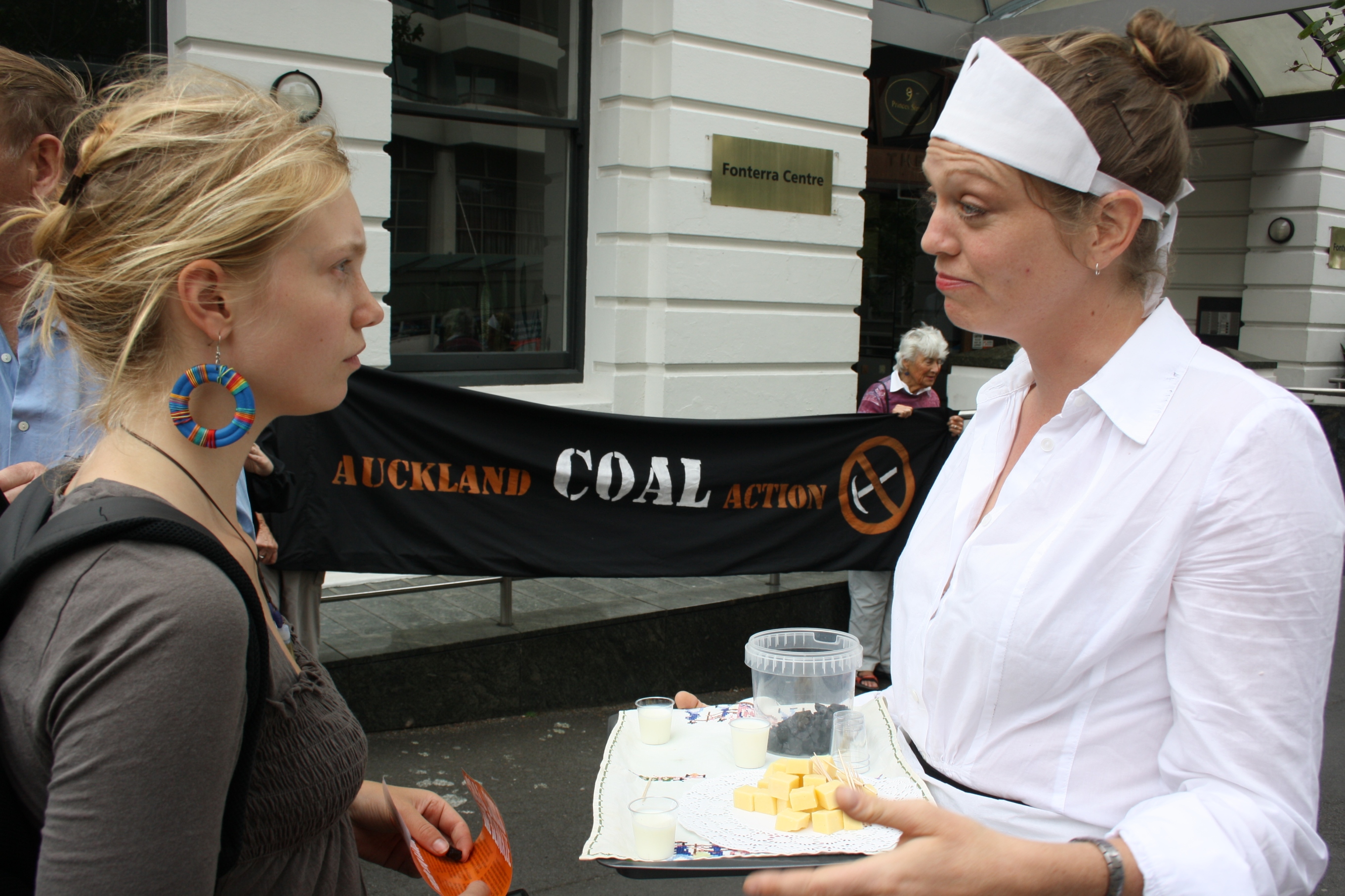
Orientation Week seemed a good time to stage a bit of street theatre outside Fonterra’s HQ just down hill from Auckland University. Four waitresses in frilly white aprons and caps offered passers-by (mainly students) samples of Fonterra milk and cheese – then popped a piece of coal on top.

IMG_1539

Do you realise your cheese comes with coal?

It was a great conversation starter about the proposed new coal mine at Mangatawhiri and how Fonterra could use wood chip in its dairy factories instead of coal. Most people agreed, and most were horrified, having no idea that Fonterra was such a major coal burner.


Police and media presence

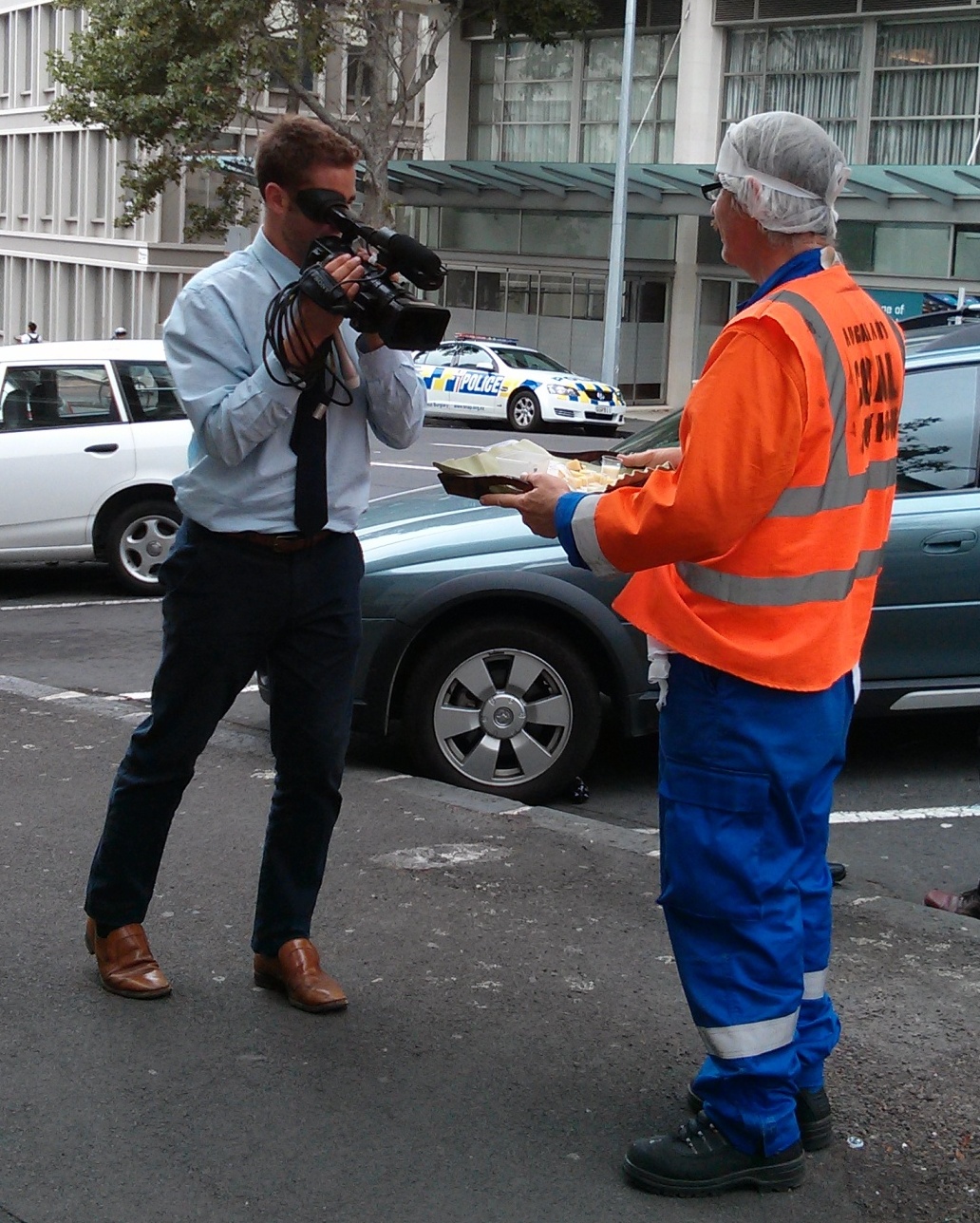
Police were out in force, obviously called by Fonterra who found a few milkmaids really scary. The cops looked a bit embarrassed about being there at all.2013-03-05 16.10.33

Also, interested in the action were a number of media outlets. Waikato Times did a preview, Radio BFM did an interview, a rural TV programme turned up and the NZ Herald’s Elements environmental supplement ran a piece too.

Why target Fonterra now?

Glencoal, wholly owned by Fonterra, has applied for consents for an open cast mine on farmland at Mangatawhiri on SH2. It’s not an easy place for them as it would be highly visible to anyone driving from Auckland to Tauranga or the Coromandel. Planned to produce 120,000 tonnes a year, it would take over from the Kopako 3 mine which currently supplies the dairy factories at Waitoa, Hautapu and Te Awamutu. With the Kopako coal running out in 2014, it’s a good time to start the phase out of coal in favour of waste wood which is locally available.

Local opinion

Local farmers and residents are not overly happy about living next to an open cast mine and a public meeting has been organised jointly by local people and Auckland Coal Action for 7 March. Locals will hear Jim Salinger speak on the expected impacts of climate change on farming in that area, as well as speakers on the health effects of coal mining and how to make a submission under the RMA on the consent hearing.

Watch this space for more.

Locals to host public meeting on Mangatangi Mine proposals

4 Mar

This event has been and gone. Our article on how the meeting went is here.


This Thursday, locals will host a public meeting to discuss and share information about the proposed coal mine at Mangatawhiri (Mangatangi Mine).

Anyone is welcome to attend.

WHEN: 7 pm, Thursday 7 March 2013

WHERE: Mangatawhiri Hall, cnr of Mangatawhiri and McKenzie Roads, Mangatawhiri (directions below). See location on Google Maps.

SPEAKERS & TOPICS:

  • Dr Wendy Ring on international research into the health effects of coal mining in the local neighbourhood.
  • Dr Jim Salinger on the role of coal in climate change and the expected effects of climate change on farming in New Zealand.
  • Jeanette Fitzsimons on how to make a submission under the Resource Management Act on the proposed mine.

Chair: Peter Young, JP

DIRECTIONS FROM AUCKLAND:

Head South on SH1 and turn off onto SH2 towards Tauranga and Coromandel. After about 5 minutes you reach the new section of SH2 where the speed limit goes up to 100. The old SH2 goes off to the left and is Mangatawhiri Rd.

Veer left on to Mangatawhiri Rd and soon you pass The Castle on your left, the former cafe now closed because of road rerouting.

Just past the Castle is a turn to your left (McKenzie Road) and on that corner is the Mangatawhiri Hall.

See location on Google Maps.

Image

Download our Mangatawhiri mine leaflet

4 Mar

Mangatawhiri Mine leaflet image

Click on this link and find out how to make a submission against the Mangatangi Mine at Mangatawhiri.

Submission guide for Glencoal’s Mangatangi Mine, due 28 March

28 Feb

Guidelines for making a submission to Waikato Regional Council and Waikato District Council on Glencoal’s proposed mine at Mangatawhiri

Glencoal, owned by Fonterra, has applied for resource consents under the RMA to Waikato Regional and Waikato District Councils, for consents to construct and operate an open cast mine at Mangatawhiri (though they call it Mangatangi Mine). They wish to extract 120,000 tonnes of coal a year for 7 years, truck it to their existing Kopako mine south of SH2 for processing, then truck it to Waitoa, Te Awamutu and Hautapu dairy factories to create heat for processing milk. These factories make milk powder, cheeses, and infant formula, among other products.

The activities for which they need consents from the Regional Council include earthworks; removal of vegetation; geotechnical bores and monitoring; pumping water out of the mine; discharging treated mine water and process water and contaminated stormwater into a tributary of the Kopuera Stream; depositing overburden on adjacent land; discharging dust and other emissions to air; damming and diverting streams and groundwater.

From the District Council they need consents for land use, noise, land disturbance, construction of access roads; use of hazardous substances.

We do not oppose applications unless we can see an alternative. In this case, we have checked that there is enough waste wood in the area which could be dried and used as a fuel source for the factories. This would create more jobs than mining and would not release greenhouse gases which change the climate. Wood chips cannot be dumped straight into a coal boiler but dry chips could be mixed with coal up to about 10% right away and major boiler modifications and new boilers should be designed to use wood. We want to see Fonterra commit to a transition to renewable energy .

You have the right to make a written submission and to be heard by the decision-making panel.

Why 2 councils?

Under the RMA District Councils control land use planning, regional councils control water and air. Glencoal needs permission from both. You have a right to make submissions to both. So submissions need to go to both and a copy must be sent to Glencoal, address at end of submission form.

Usually the councils hold a combined hearing so you can present your views to both at once.

Activities can be “controlled” ie the council cannot refuse, but can set conditions – or “discretionary” which means councils can turn it down. Most of these consents are discretionary. This is a major industrial activity in a rural area.

Submissions are due 28 March

You can make your submission online, or on paper.

To make a submission to Waikato District Council go to http://www.waikatodistrict.govt.nz/Have-your-say/Public-consultation/Glencoal-Energy-Limited.aspx

And follow the various links.

To make a submission to Waikato Regional Council go to http://www.waikatoregion.govt.nz/Community/Whats-happening/Have-your-say/2349723/

To read the application from Glencoal go to http://www.waikatoregion.govt.nz/Services/Regional-services/Consents/Resource-consents/Significant-applications-hearings-and-decisions/Mangatangi-Mine/

Here you can download two volumes of the application and 10 appendices. They are huge, but you can scan through the contents list and see which parts you are interested in and just skim those. You may be interested in the maps of the proposed mine site and exactly what they proposed to do where.

Applications on paper can be viewed at the Tuakau office of the Waikato District Council, and forms for manual completion can be obtained there.

Each council has a two page submission form which you need to fill in. You can add as many sheets of explanation and evidence as you like. You can fill in both submission forms and copy your additional pages to both councils.

The form asks you if you want to be heard. That means fronting up a council hearing and speaking to your submission. That is not scary – it is a relatively informal process, you don’t need a lawyer, you can’t be cross-examined. The hearing will be held locally somewhere. It is advisable always to ask to be heard. If you front up and speak to them it does carry more weight. You can always withdraw if the date is impossible for you.

The form also asks if you are willing to be grouped with other submitters raising similar issues. If you plan who is going to speak on which issues, and you all answer questions together at the end, this can be a good way of doing it and you don’t feel so alone. When you turn up to speak you can add information  not in your submission but shouldn’t raise whole new issues. Eg your written submission  can say “concerned about effect of dewatering mine on groundwater” then you can expand on that at hearing. It gives you more time to prepare.

So what might you say?

That is up to you, but speaking about how the mine will impact on you and your family and community is very important. Some of the effects that might concern you are:

  • Dewatering of mine – pumping into stream – will affect groundwater for 2km to NE, 800m to S, it will drop by ~ 1m. They say impact will be “less than minor” because there is only 1 well in that area – but what about effects on farming?
  • Coal is 30-90m below surface; land surface 20-60m Below Sea Level – so much of the pit will be Below Sea Level, requiring constant pumping.
  • Discharge of treated mine water, storm water, process water to tributary of Kopuera Stream. Already has high content of minerals and sediment. Do you use the stream? Does it have value for you?
  • Discharge of dust and other gases and particulates to air – will that affect your health or your water supply or your farm?
  • Noise levels are planned to be considerably higher than now
  • Extra traffic (big trucks) on local roads
  • Visual effects – do you look out over this area?
  • 13 ha lake when mine is completed – regarded as a positive amenity but will water be black and unsuitable for contact recreation? What is the water like at the closed Kopako mine?

If you do not want the mine under any circumstances, say that you oppose all consents and tick the “oppose” box.

The applicant is required under the RMA to consider alternatives. It looks at alternative ways of mining coal but hardly addresses alternative fuels, just saying Fonterra considered “biomass” (probably wood) and coal is the most “economically viable”. What calculations did they do; what assumptions did they use; can you see that work? The commissioners on the panel could ask them to present that.

Climate change

The current case law is that you cannot argue the contribution the coal will make to climate change when opposing a consent, and the panel must not consider this. However that ruling of the High Court is being challenged in the Supreme Court on 12/13 March and it is possible there could be a decision by the time a hearing is held on this application. If you say in your submission that you believe it is essential to start phasing out coal because it is the major contributor to climate change, and the way is then cleared legally for this argument to be made, then you can elaborate on it in your oral presentation. If not, they will just rule it out but no harm done.

Big things to remember

Fill out the right forms for both Waikato District and Waikato Region.

Add pages where you speak about the likely effects of the mine on you, as well as general concerns.

Give any evidence you can about this.

Send a copy to Glencoal.

Ask to be heard.

Submissions are due 28 March

Good luck!
Mangatawhiri: Next Coal Hole

19 Dec

Fonterra’s subsidiary Glencoal plans to open a new coal mine on Auckland’s doorstep, at Mangatawhiri. They are calling the mine Mangatangi Mine (Mangatangi is the area neighbouring Mangatawhiri but not the actual location of the site).

The coal is intended to be used in boilers at three Fonterra plants for milk powder production. However, the extra energy cost of using sustainably-sourced local woodchips would increase the bulk price of powder by only a few cents per kilo.

Resource consent hearings were held in August-September 2013.

The local community is strongly opposed to this mine, citing concerns about coal dust, the health of their children, the integrity of their water and a desire to live sustainably.

Ironically, the extraction of coal is the worst contributor to climate change, which is already bringing more droughts and extreme weather – hurting the very farmers Fonterra represents.

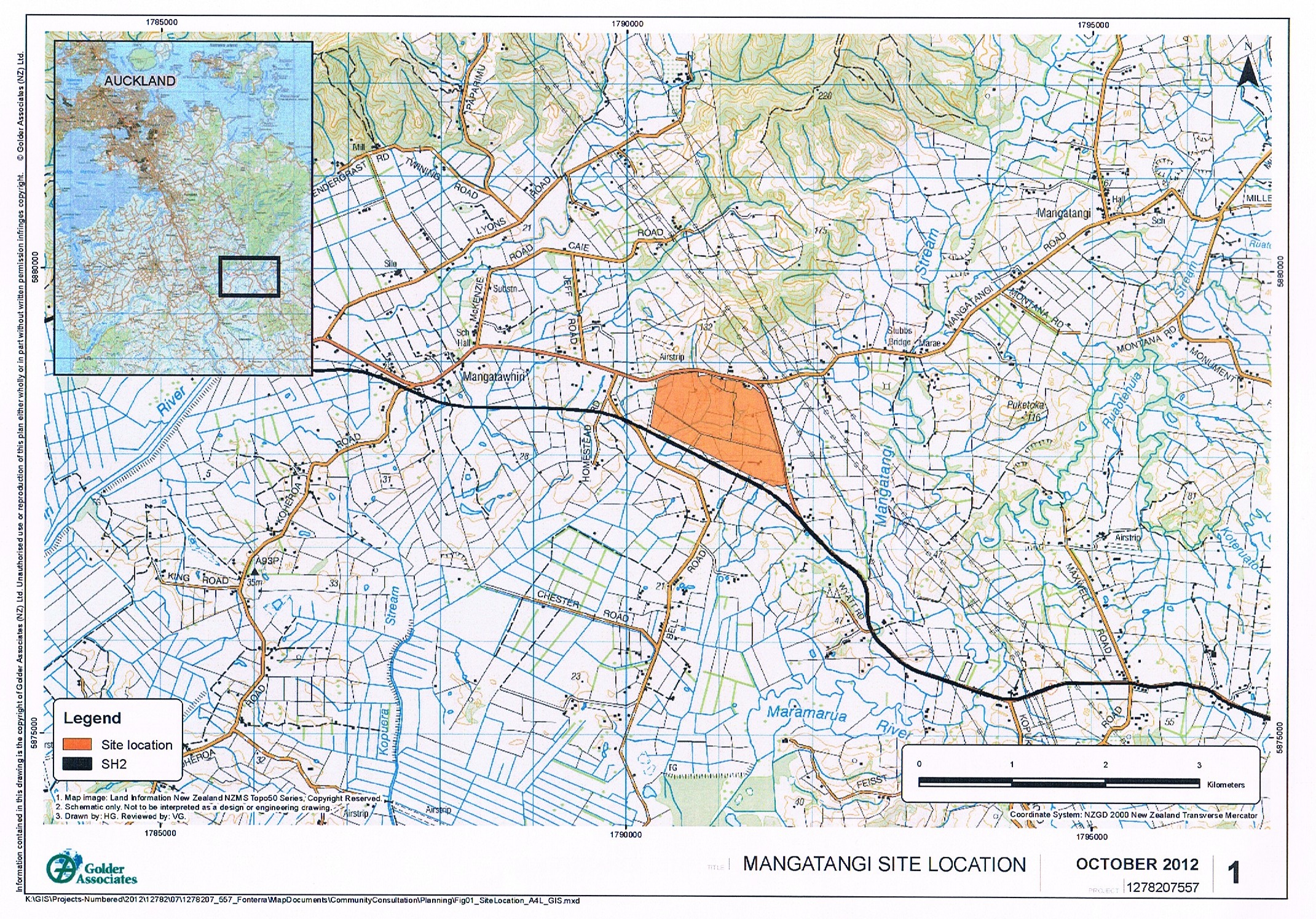
Site of proposed mine.

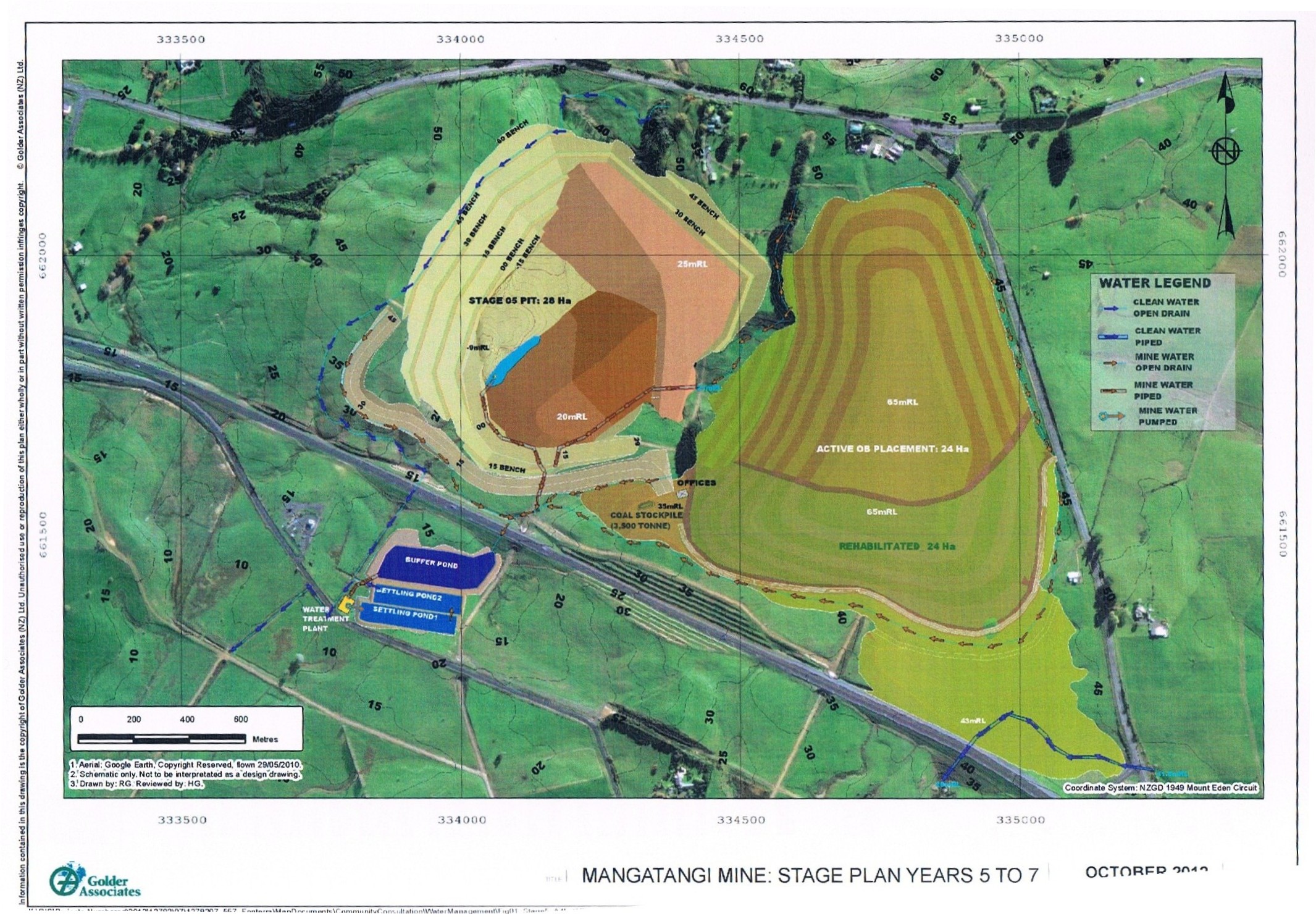
Stage plan for the mine’s development.

Three generations represented at Solid Energy protest

17 Nov

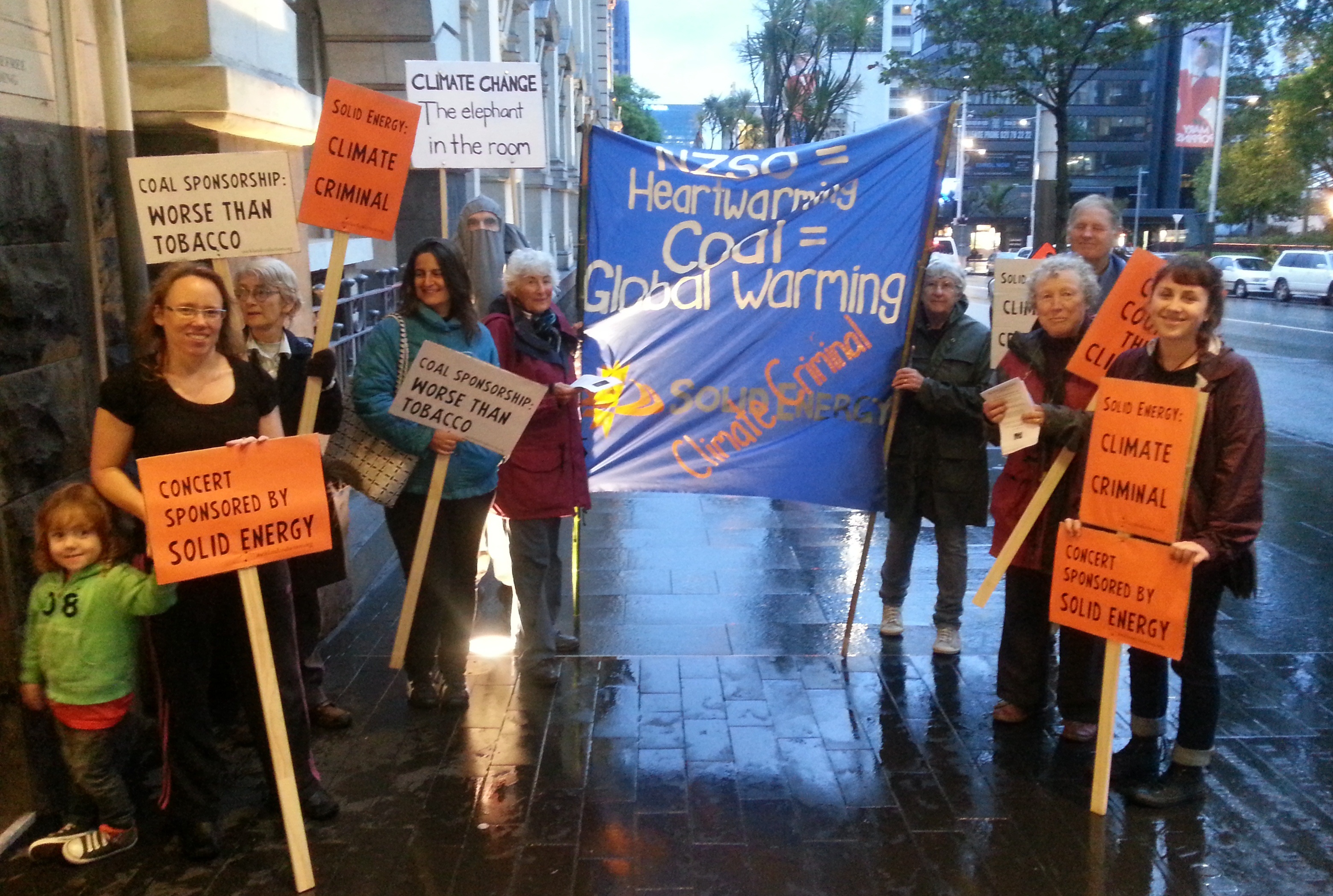
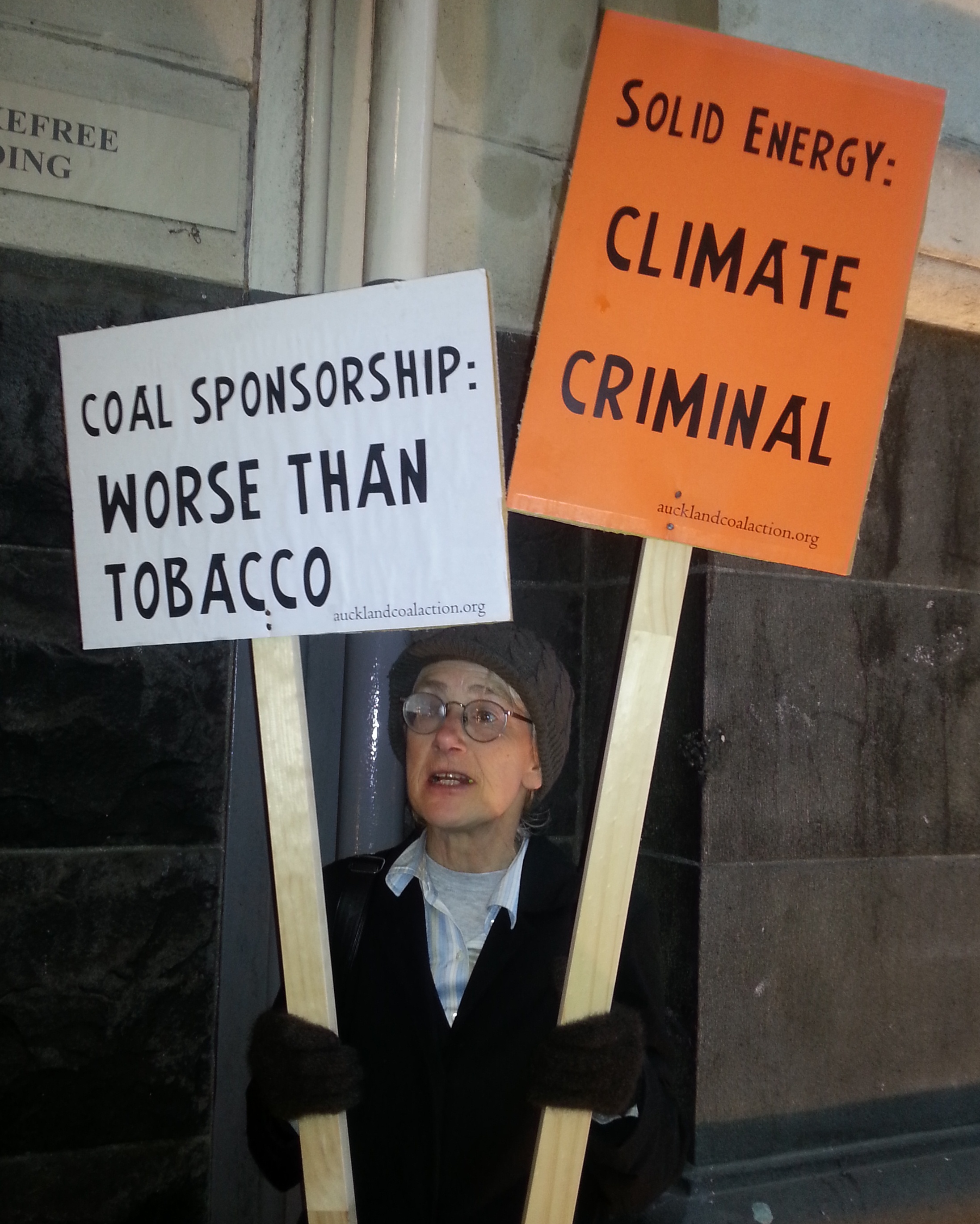
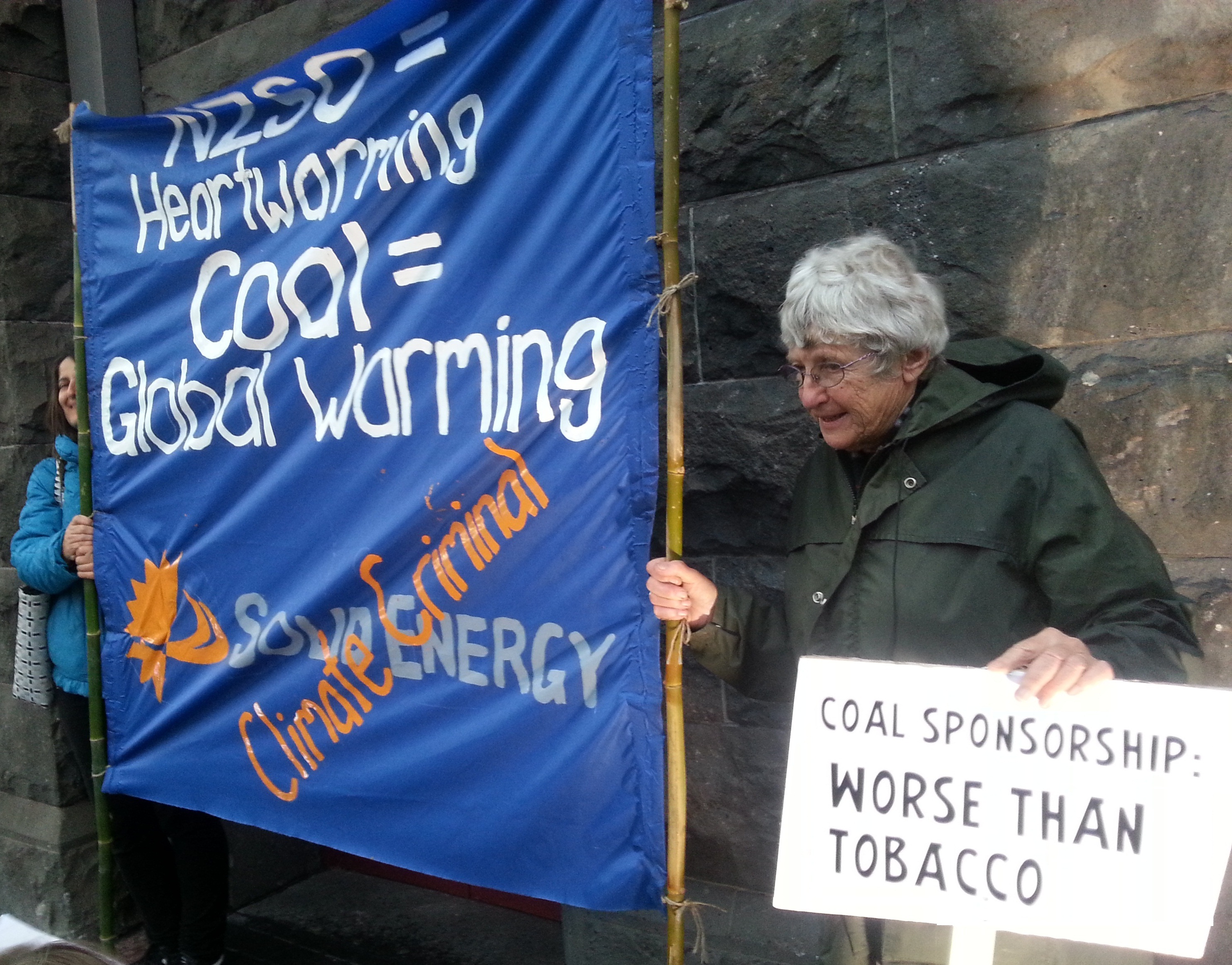
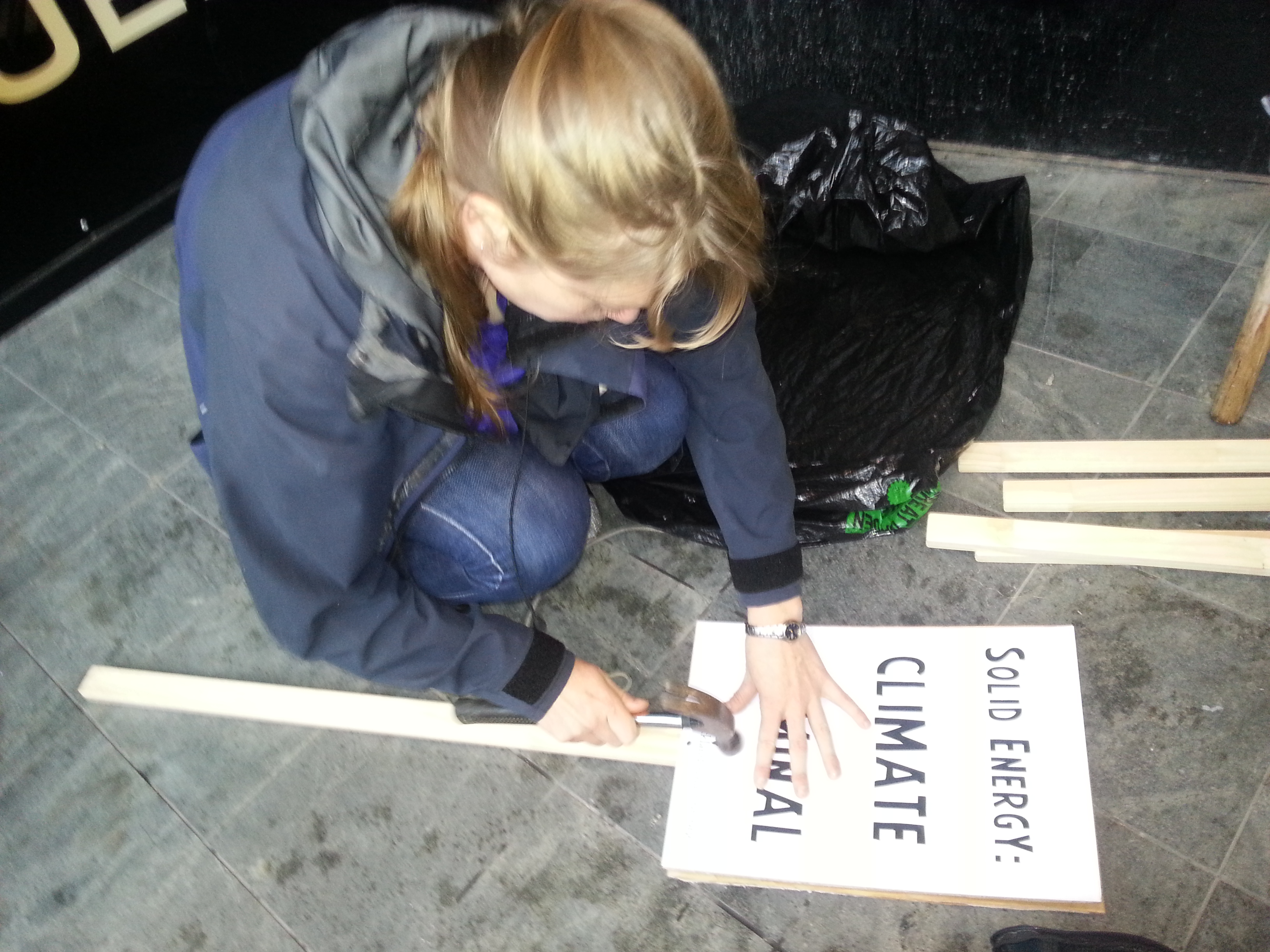
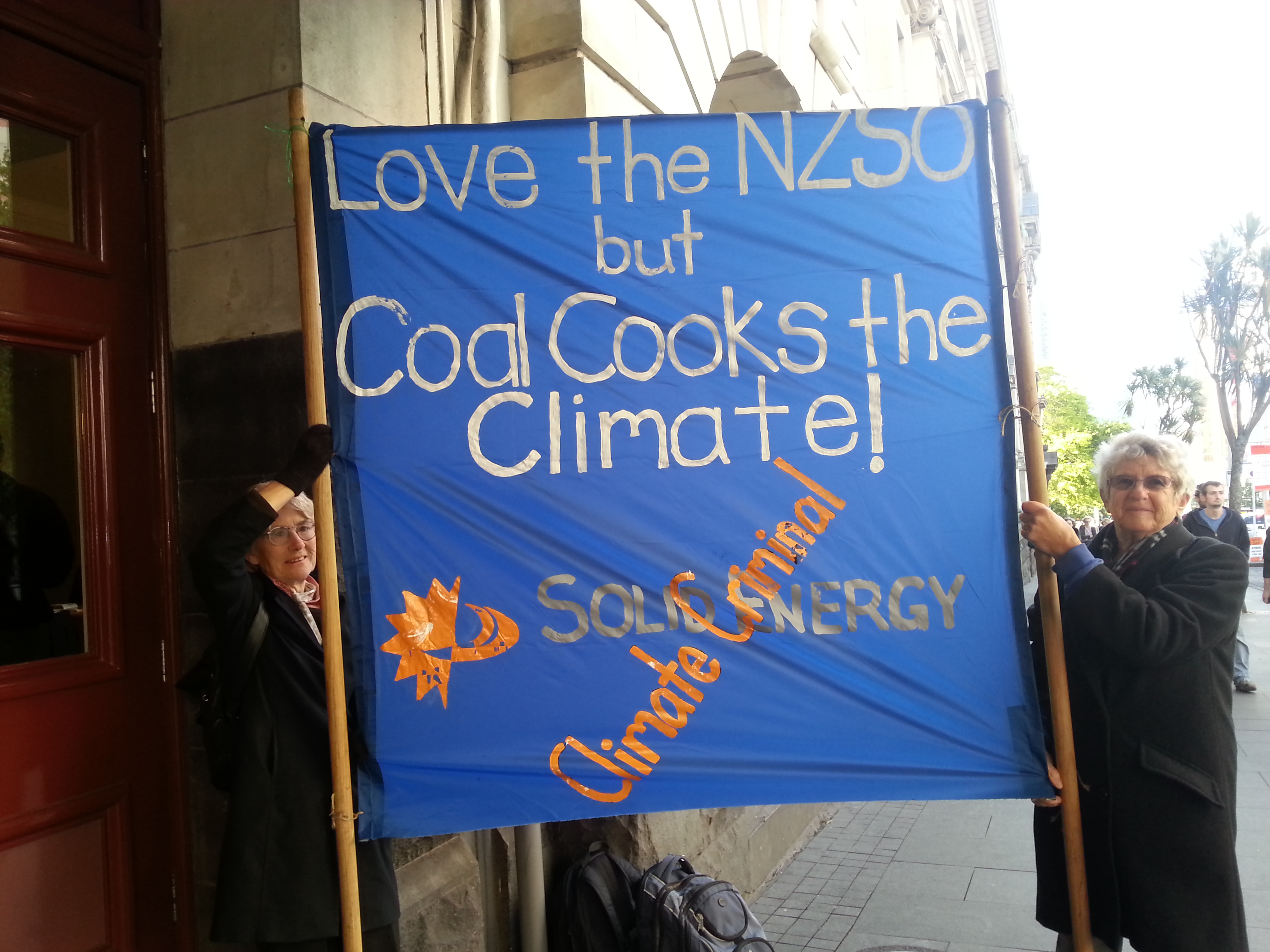
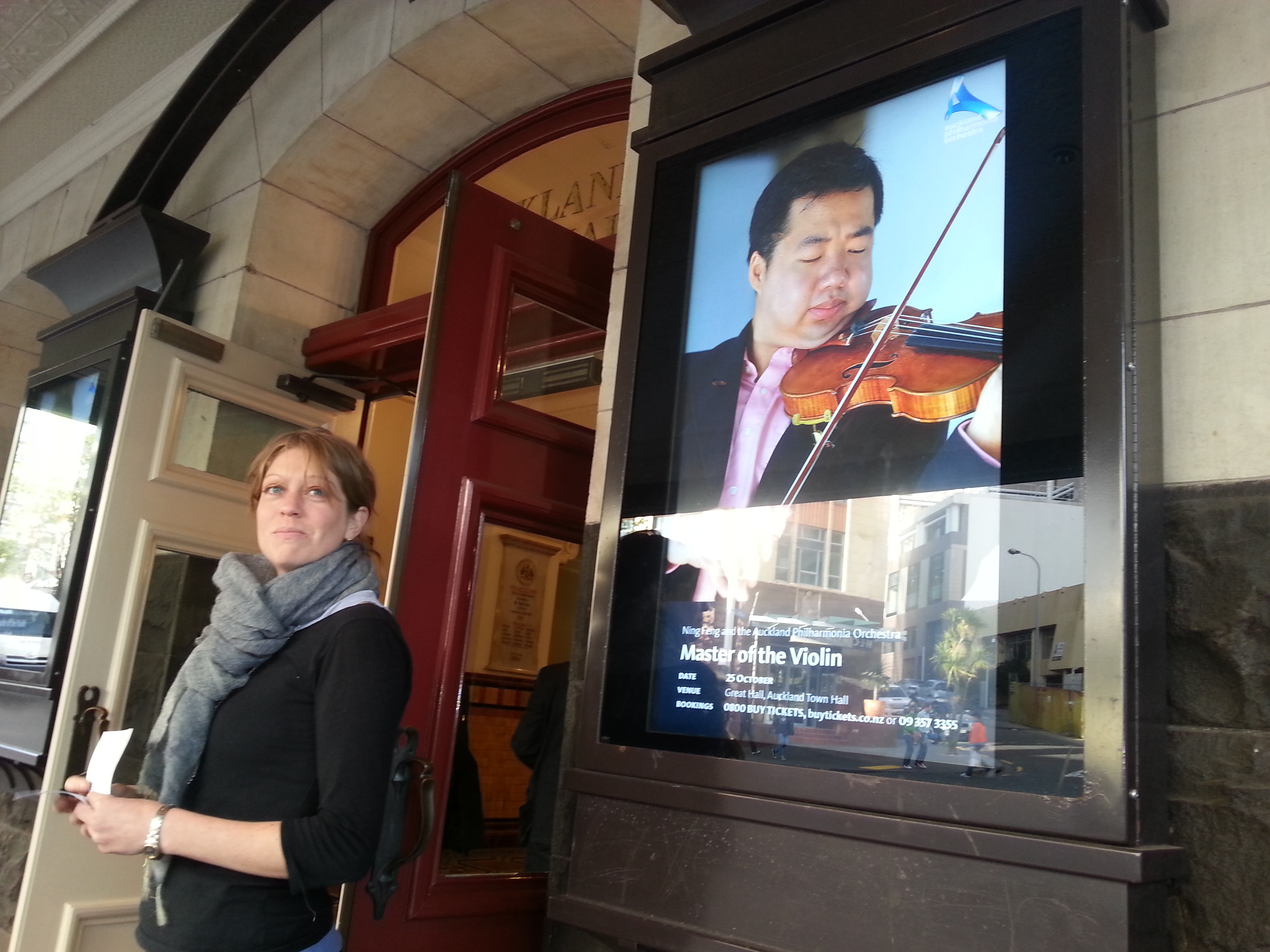
Three generations of Auckland Coal Action members protested outside the Auckland Town Hall tonight. We were there once again, alerting orchestra patrons to the NZSO’s connection with climate criminal, Solid Energy.

We don’t see why coal sponsorship is still allowed, when it is far more dangerous than tobacco: dangerous to our health and that of the climate we depend on for our survival.

See press release and media coverage of this event.

“Enjoying music thanks to Solid Energy’s coal operations is perverse.”

17 Nov

“The NZSO is vital for our musical culture and places NZ next to other cultural nations who all fund their national orchestras. And while private sponsorship is now common around the world, I don’t know of any government bringing “their” orchestra into a position where it may have to accept a coal-mining company as their major sponsor. Enjoying music thanks to Solid Energy’s coal operations is perverse and embarrassing and today unworthy of a cultural nation.”

Prof Klaus Bosselmann, University of Auckland

Coal sponsorship perverse, says Professor; health effects worse than tobacco

17 Nov

Press release for immediate use – Auckland Coal Action

Saturday 17 November 2012

Tonight Auckland Coal Action (ACA) highlights the immorality of coal with a picket at an NZSO concert sponsored by national coal-miner Solid Energy.

Auckland University Professor Dr Klaus Bosselman comments, “Enjoying music thanks to Solid Energy’s coal operations is perverse and embarrassing and today unworthy of a cultural nation.” [Click here for full quote]

ACA spokesperson Alex Winter-Billington adds, “The NZSO should be fully state funded.”

NZ Herald coverage

According to the World Health Organization, “The effects of climate change on health will impact on most populations in the coming decades and put the lives and well-being of billions of people at increased risk.”1

“If we keep burning coal, the health effects of climate change will be bigger than AIDS, than heart disease, malaria — bigger even than cancer,” Winter-Billington says.

Burning coal releases more greenhouse gasses into the atmosphere than any other fossil fuel.

The air and water pollutants in coal-mining communities cause significantly higher rates of heart attack, stroke, cancer, birth defects, kidney, liver and brain damage and worsening of pulmonary diseases. 2

“Coal is by far the dirtiest form of energy in terms of climate and air pollution,” Winter-Billington continues, “and it’s worse for people’s health than tobacco ever was; but not just for the people using it, it impacts everyone alive and everyone who’s going to come after us: our children, our grandchildren, everyone.”

“Like tobacco companies in the past, Solid Energy is trying to make itself look like the ‘good guy’ through association with one of our national treasures. That’s not ok. They’re clearly not the ‘good guy’,” says Winter-Billington.

“Coal is today’s tobacco and we don’t tolerate tobacco sponsorship,” she concluded.

Ends

References:

1. 2012; Gender, Climate change and Health; World Health Organization.

2. 2011; Toxic Air: The case for cleaning up coal fired power-plants; American Lung Association.

Forbidden Love and a forbidden elephant

19 Oct

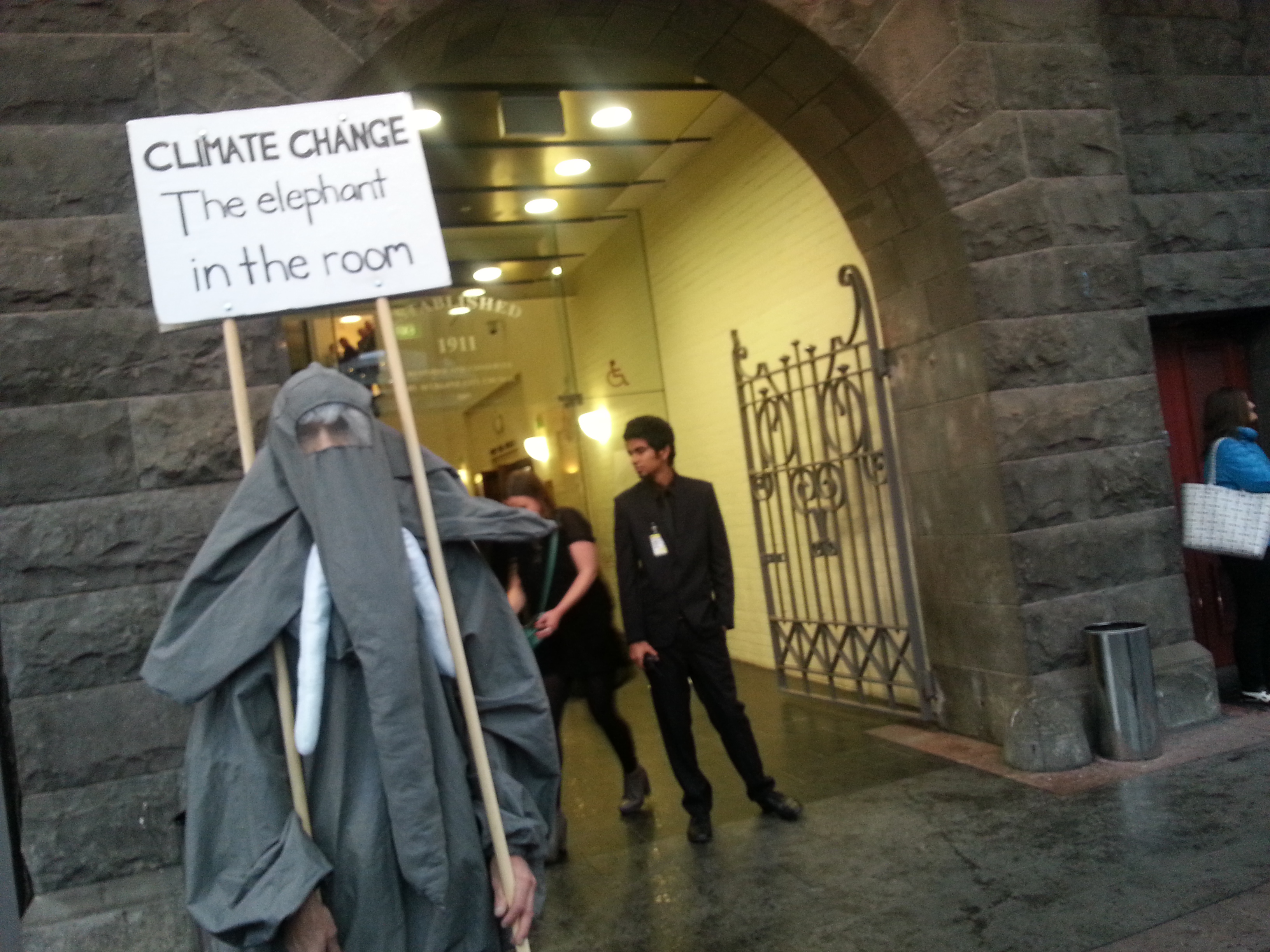
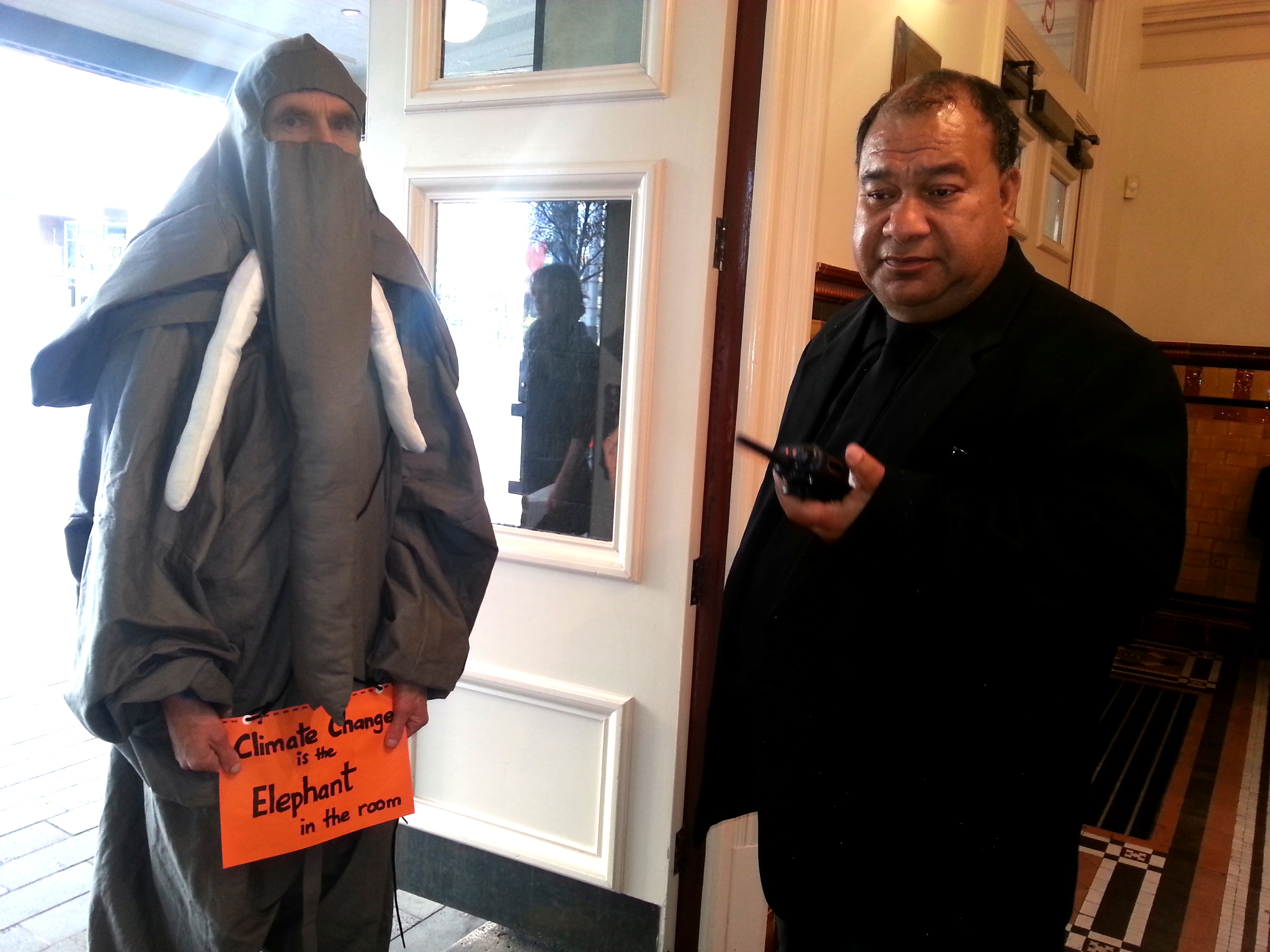
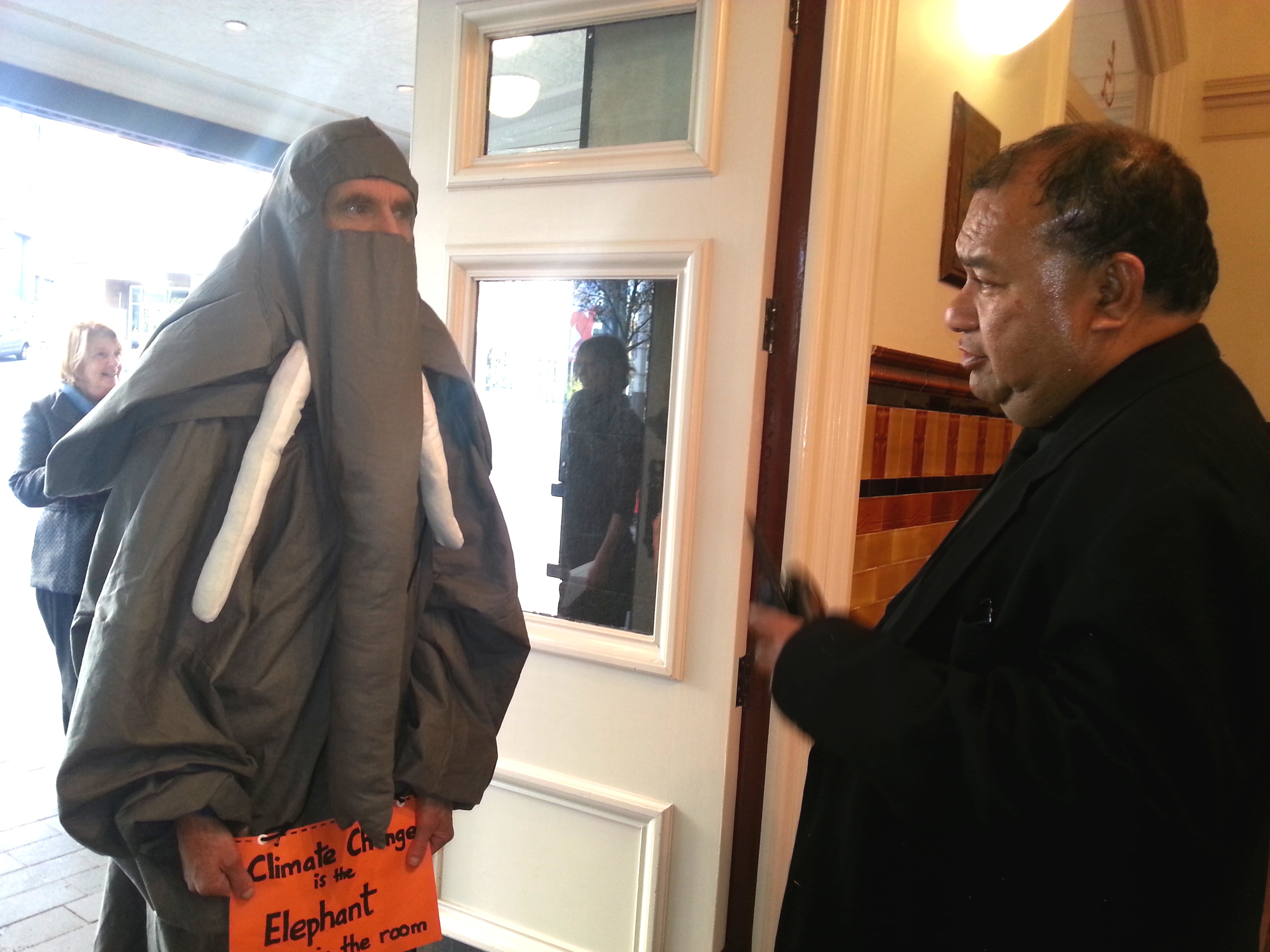
The Climate Elephant is barred from the room.

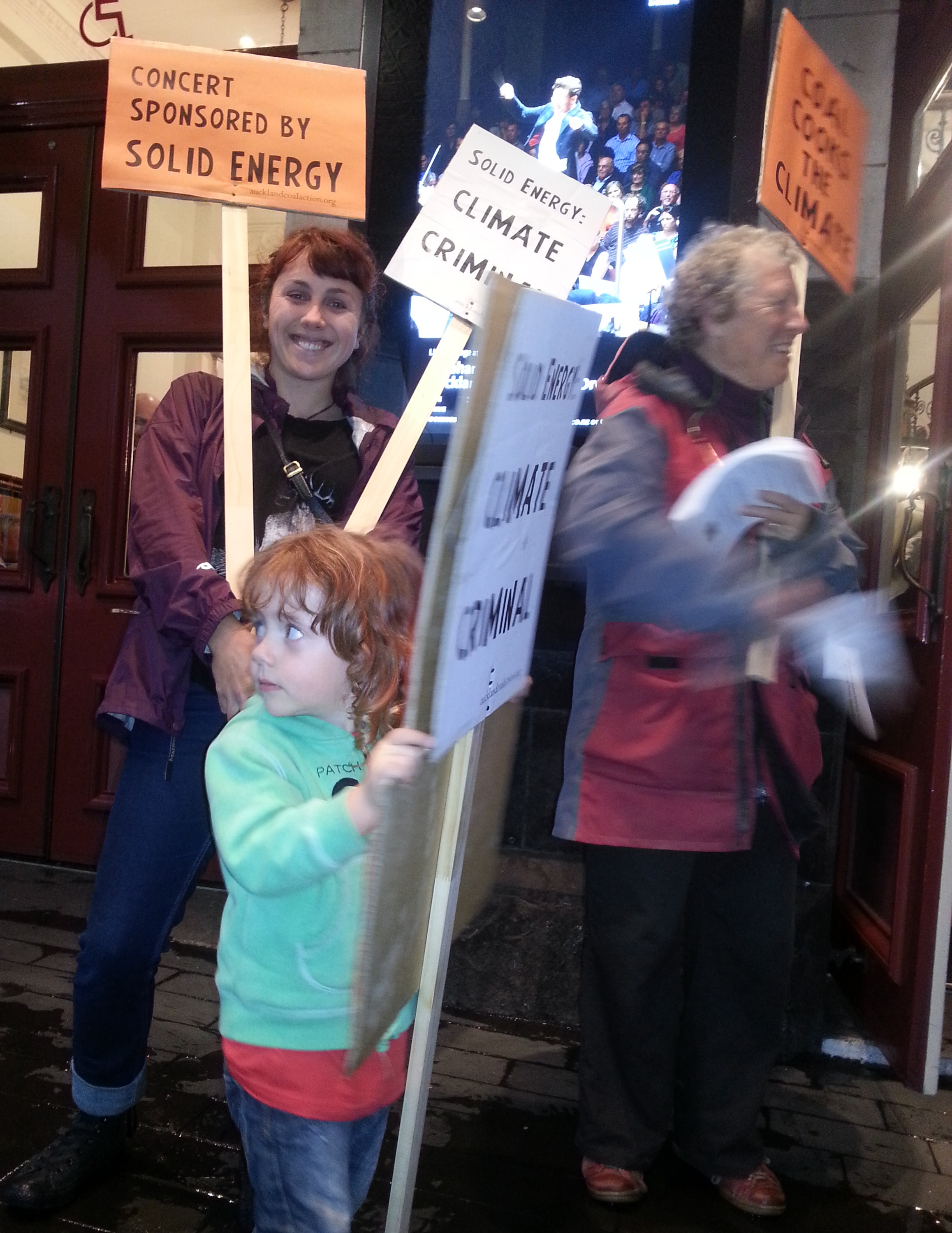
A dozen members of Auckland Coal Action were at the Town Hall again this evening to protest Solid Energy’s sponsorship of the New Zealand Symphony Orchestra’s Forbidden Love. Just like all those dirty tobacco companies, coal company Solid Energy is promoting itself as one of the ‘good guys’ through association with our national orchestra.

We were there to let orchestra patrons know what kind of company was sponsoring the event, giving them copies of our open letter to the NZSO in which we urged the orchestra to ditch Solid Energy.

If we can ban sponsorship by tobacco companies because of the damage caused by their product, then it is high time we banned sponsorship by coal companies. The threat caused by burning coal to our climate is far more serious than tobacco.

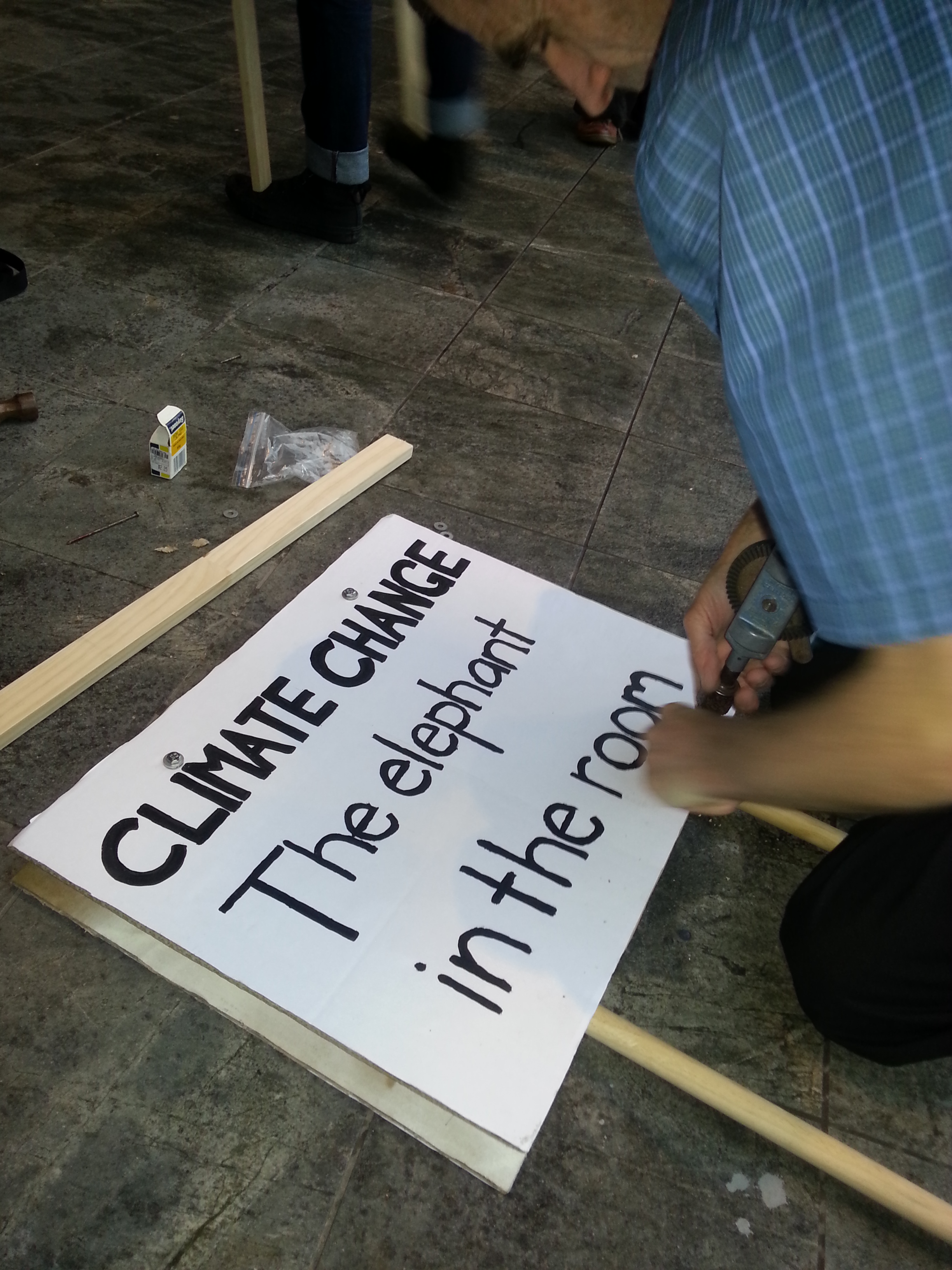
Climate change is the elephant in the room when we talk about coal mining, but this evening our very own Climate Elephant was barred from entering the room by security guards.

The elephant, and the urgent problem he represents, are too big to ignore and won’t be going away any time soon.

“We love the NZSO, but coal dirties your good name”

19 Oct

Media Release – Auckland Coal Action

Friday 19 October 2012

Tonight, Auckland Coal Action (ACA) will again picket a Solid Energy sponsored NZSO concert at Auckland Town Hall in protest against the national coal miner.

ACA spokesman Tony Dunlop said “Coal does more harm to the environment and people’s health than tobacco ever has. We took a stand against community sponsorship from big tobacco – why do we still tolerate it from coal?”

Solid Energy sponsors the New Zealand Symphony Orchestra

“Coal is the dirtiest fossil fuel and leading scientists agree that it must stay in the ground if we want to avoid leaving our children and grandchildren with climate chaos.” He commented further.

“Just like all those dirty tobacco companies, Solid Energy is promoting itself as one of the ‘good guys’ through association with our wonderful national orchestra. That’s not OK. They’re not the ‘good guys’.” Mr Dunlop added.

“The NZSO has been compelled to accept dirty sponsorship because of a lack of state funding. We support full state funding for the NZSO and are happy to pay the taxes to support this.” He said.

Mr Dunlop further commented “Before government acted, community organisations refused tobacco sponsorship on moral grounds and that paved the way to a change of legislation. When governments drag their heels, communities must take the lead. And in the case of climate change, there’s no time to lose.”

Auckland Coal Action is an independent community group committed to the ambitious goal of saving future generations from the chaos of runaway climate change.

Ends

Design a site like this with WordPress.com
Get started